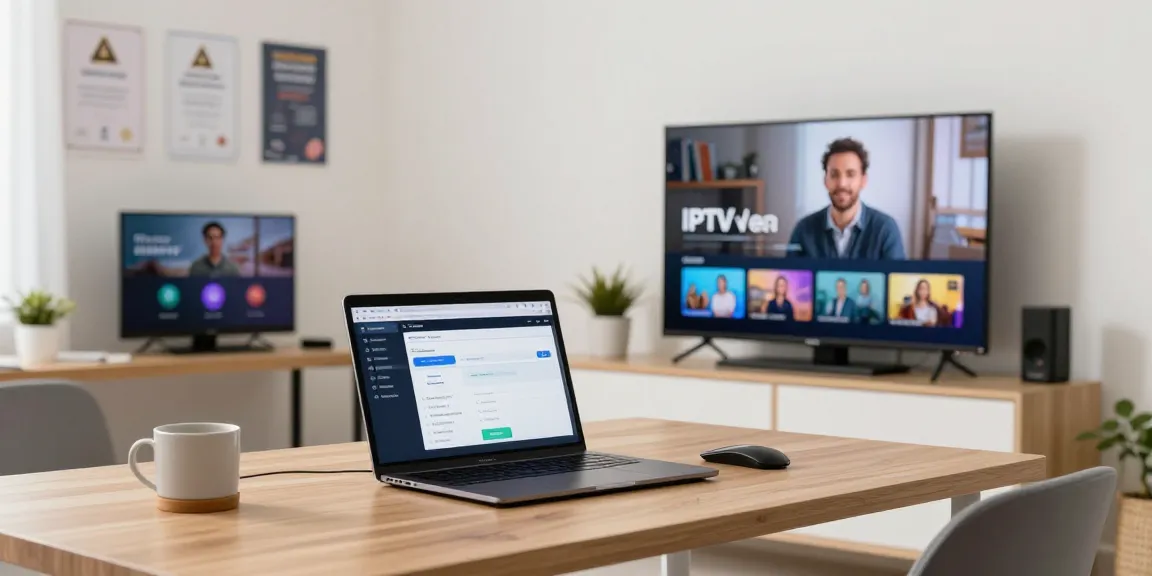

Understanding Business Phone Systems
In today’s fast-paced business environment, efficient communication is the backbone of operational success. Business phone systems have evolved significantly, especially with the rise of Voice over Internet Protocol (VoIP) technology. This has transformed how businesses large and small connect with their clients, partners, and employees. Understanding the intricacies of business phone systems is essential for companies looking to streamline their communication and increase productivity. This article will delve into what business phone systems are, the importance of VoIP technology, and the various types available in the market today.
What Are Business Phone Systems?
A business phone system is a collective term that encompasses the technologies and services used to facilitate communication within and outside a company. These systems can range from traditional landline setups to sophisticated VoIP solutions that include multiple features tailored for business needs. The primary aim is to enhance communication efficiency, improve customer interactions, and support collaboration amongst team members.
The Importance of VoIP Technology
VoIP (Voice over Internet Protocol) technology enables voice communication and multimedia sessions over the internet. This not only reduces costs associated with traditional phone lines but also offers features that traditional systems may lack, such as video conferencing, call recording, and voicemail-to-email capabilities. The flexibility of VoIP paves the way for remote work and mobile communications, making it an ideal choice for businesses seeking to improve their operational efficiency.
Types of Business Phone Systems Available
- Traditional PBX Systems: These are on-premises systems that require physical hardware and installation. They are reliable but can be costly to maintain and upgrade.
- Hosted VoIP Systems: These systems are cloud-based, requiring minimal upfront costs. They offer scalability and flexibility, allowing businesses to pay for the services they need.
- Virtual Phone Systems: These systems provide a business number that reroutes to existing personal devices without the need for dedicated hardware. They are ideal for freelancers and remote workers.
- Hybrid Systems: Combining both traditional and VoIP features, hybrid systems offer flexibility and scalability, allowing businesses to transition smoothly to modern technology.
Choosing the Right Business Phone System
Selecting the right phone system is crucial for optimizing communication within your business. This process begins with evaluating specific business needs and identifying key features essential for day-to-day operations.
Evaluating Your Business Needs
Understanding your unique communication requirements is the first step in selecting a business phone system. Factors such as the size of your workforce, the nature of your customer interactions, and your company’s growth trajectory all influence the choice of a phone system. Typically, small to medium-sized enterprises (SMEs) may prioritize cost-effective solutions that allow flexibility, while larger corporations might require more robust systems with advanced features.
Key Features to Look For
- Scalability: The ability to add or remove lines as your business changes.
- Advanced Call Management: Features like call routing, call recording, and voicemail transcriptions that enhance productivity.
- Integration: Compatibility with existing tools and platforms, especially CRM systems, to streamline business processes.
- Mobile Accessibility: The ability to make and receive calls from mobile devices to support remote work.
- Customer Support: Access to reliable customer service to resolve any issues quickly and efficiently.
Comparing Providers and Plans
Once you’ve identified your needs and desired features, the next step involves comparing different providers and their plans. Consider aspects such as pricing models, contract lengths, and user reviews. Ensure that you are informed about any hidden fees associated with the services, as these can impact your total expenditure. A transparent approach is essential for making a well-informed decision that aligns with your budget and expectations.
Implementing Your Business Phone System
After selecting the optimal business phone system, the next phase is implementation. This process may vary depending on the chosen system but generally involves several key steps to ensure a smooth transition.
Step-by-Step Setup Guide
- Plan the Deployment: Create a detailed plan outlining the setup process, including timelines and resource allocation.
- Install Hardware (if applicable): For traditional or hybrid systems, ensure that all necessary hardware is installed properly.
- Configure Software: For hosted or VoIP systems, set up the software according to your business’s needs.
- Test the System: Conduct thorough testing to identify and resolve any issues before going live.
- Go Live: Officially move to the new system and monitor its performance closely during the initial period.
Integrating with Existing IT Infrastructure
Integration is vital for a seamless transition. Ensure that the new phone system works harmoniously with your existing IT infrastructure, including your internet connection, computer systems, and any other technologies you currently utilize. This will not only streamline operations but also minimize disruptions during the transition period.
Training Employees on New Systems
Training your team on the new phone system is essential for maximizing its potential. Offer comprehensive training sessions that cover system features, usage best practices, and troubleshooting tips. Providing adequate support will facilitate smoother adoption and help employees feel confident in utilizing the new system effectively.
Cost Considerations for Business Phone Systems
The cost of a business phone system can vary widely based on the selected type, features, and provider. Understanding the financial aspects will help businesses make a cost-effective choice that aligns with their budgetary constraints.
Transparent Pricing Models Explained
Most business phone systems offer various pricing models, including monthly subscriptions, pay-as-you-go plans, and tiered pricing based on usage. It’s crucial to understand how each model works and what it entails, as this can significantly affect your long-term costs. Transparent pricing with no hidden fees is essential for avoiding unexpected expenses.
Understanding Total Cost of Ownership
Total Cost of Ownership (TCO) encompasses not only the upfront costs but also ongoing expenses such as maintenance, upgrades, and unexpected repairs. An in-depth analysis of TCO will provide clarity on how much you can expect to spend over the life cycle of the phone system, aiding in informed decision-making.
Maximizing ROI through Value-Added Features
Investing in features that enhance productivity can lead to substantial returns on investment. Features such as advanced analytics, integrative CRM capabilities, and robust customer support can improve communication efficiency and drive business growth. It’s essential to evaluate how these features can translate into a better ROI, ensuring that the chosen system not only meets your current needs but also supports future business growth.
Future Trends in Business Phone Systems
The landscape of business phone systems is continuously evolving. Staying abreast of emerging trends is crucial for businesses seeking to maintain a competitive edge.
Emerging Technologies to Watch
Technologies such as Artificial Intelligence (AI), cloud computing, and machine learning are paving the way for smarter communication solutions. These advancements can offer predictive analytics for call center operations, automated responses, and enhanced customer interaction capabilities.
The Role of AI and Customer Experience
AI is playing a significant role in improving customer service by enabling more personalized interactions and automating routine tasks. For example, AI-powered chatbots can handle simple queries, allowing human agents to focus on more complex issues, thereby enhancing the overall customer experience.
Preparing for Changes in Telecom Regulations
As the telecommunications industry evolves, so do regulations governing it. Businesses should stay informed about potential changes that could impact operations, such as data protection laws and licensing requirements. Preparing for regulatory changes will ensure compliance and minimize disruption to business communications.
What are the most popular business phone systems?
When evaluating the best options for your business, systems like RingCentral, Ooma, and Nextiva often top the list due to their robust features and flexible pricing models. Each offers unique advantages that cater to different business needs, making them popular choices for SMEs and larger enterprises alike.
How do VoIP systems differ from traditional phone systems?
VoIP systems use the internet to transmit calls, allowing for more flexibility and often lower costs compared to traditional phone systems which rely on landline connections. VoIP also supports a range of additional features that enhance communication, making it a favored option among modern businesses.
What should I consider when switching providers?
Key factors to consider when switching providers include service reliability, pricing, contract terms, customer support quality, and the ease of transitioning data and numbers to the new system. Ensuring a smooth transition involves thorough research and possibly testing different providers before making a final decision.
Are there any hidden fees with business phone systems?
Hidden fees can vary widely between providers and may include costs for installation, equipment, additional features, or maintenance. It’s essential to read the fine print of contracts and ask questions about all potential fees before committing to a service.
How can business phone systems enhance team productivity?
Effective business phone systems enhance team productivity by enabling seamless communication, collaboration tools, and real-time access to information from anywhere. By integrating phone systems with existing software, teams can increase efficiency and improve response times, ultimately boosting overall productivity.